Campus Life - انگلیسی - دانشگاه خواجه نصیر طوسی
About Iran
Iran, also called Persia and officially known as the Islamic Republic of Iran, is a country in western Asia. With over 81 million inhabitants, Iran is the world's 18th most populous country. Comprising a land area of 1,648,195 km², it is the second largest country in the western Asia and the 17th largest in the world. Iran is a multi-ethnic and multicultural country with vast cultural heritage, multi climate arena and friendly people.
About Tehran
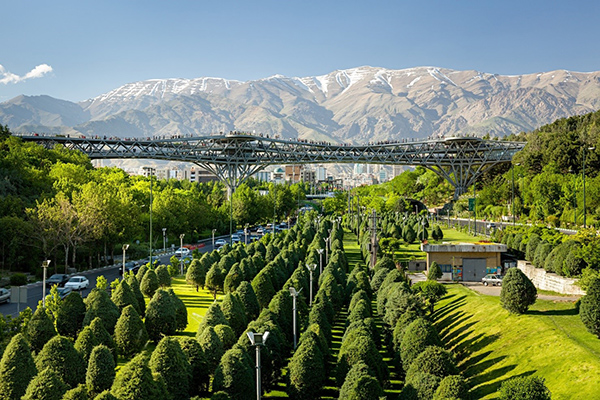
Tehran is the capital of Iran, with a population of around 8.7 million in the city and 15 million in the larger metropolitan area of Greater Tehran. Tehran is the most populous city in Iran and in western Asia, and has the second-largest metropolitan area in the middle East. Tehran's climate is largely defined by its geographic location, with the towering Alborz mountains to its north and the country's central desert to the south. It can be generally described as mild in spring and autumn, hot and dry in summer, and cold and wet in winter. Tehran is home to many historical collections, including the royal complexes of Golestan, Sa'dabad, and Niavaran. Tehran's most famous landmarks include the Azadi, and the Milad Towers and the Nature Bridge, a newly-built landmark, was completed in 2014.
Cultural Activities
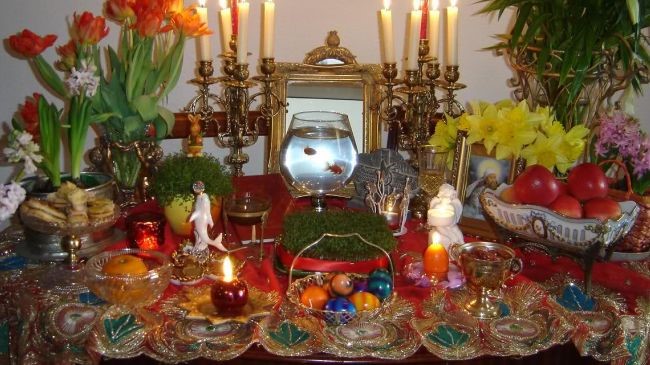
The culture of Iran, known as culture of Persia, is one of the oldest in the world. Owing to its dominant geo-political position and culture in the world, Iran has directly influenced cultures and peoples as far away as Italy, Macedonia, and Greece to the west, Russia to the North, the Arabian Peninsula to the South, and south and east Asia to the East. Ceremonies, feasts and traditions are cultural heritages that may provide insight about people and their life. Iran as a long heritage cultural country inherited a variety of ancient traditions that are still live and effective in everyday Iranian life.
Nowruz
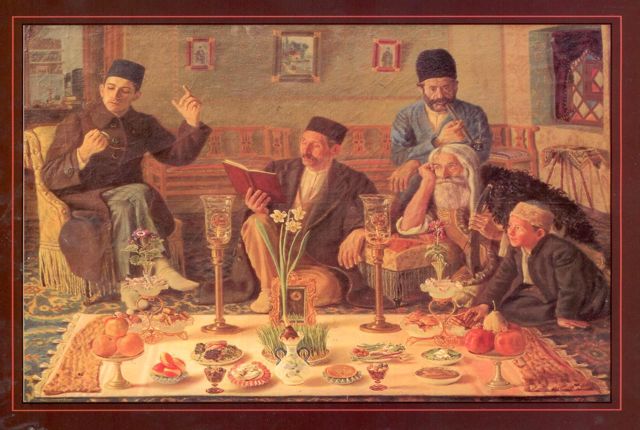
Nowruz is a traditional Iranian spring festival, which starts at the exact moment of the vernal equinox and commencing spring.
Sofreye Haft Sin
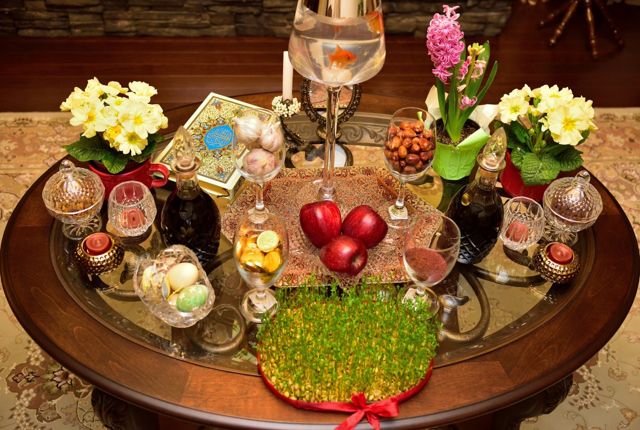
In the first day of Iranian calendar people put 7 different beans on their table as a sign of thanking nature for giving humans all they need.
Sizdah Bedar
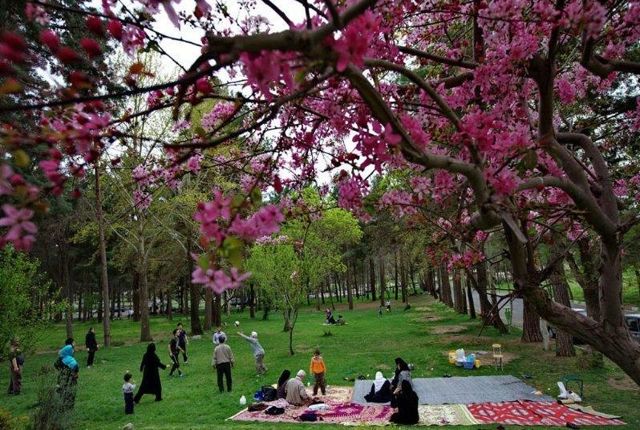
Sizdah Bedar also known as Nature's Day is an Iranian festival held annually on the thirteenth day of Farvardin, during which people spend time picnicking outdoors.
Rose water festival
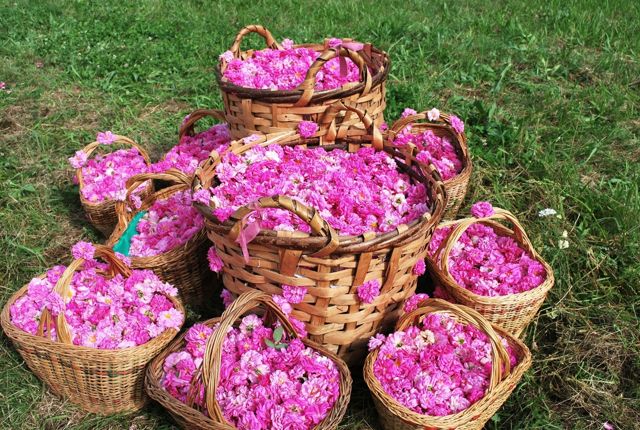
Rose water festival (Golabgiri): Ghamsar the city of roses in Kashan County, is where you can sense the very beauty of May in desert.
Yalda (Chelleh)
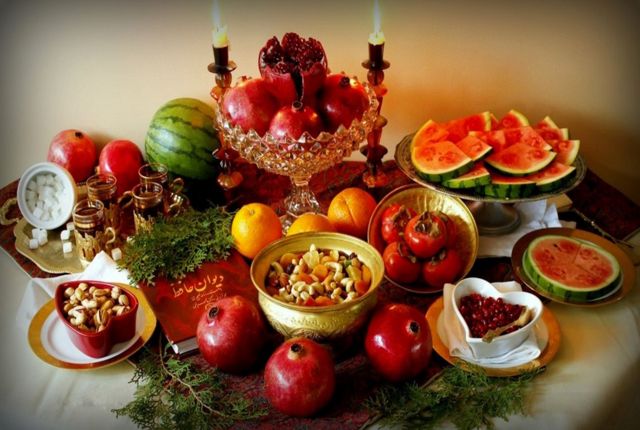
Yalda (Chelleh) is one of the most ancient Persian festivals annually celebrated on December 21, the longest night in the year.
Tirgan
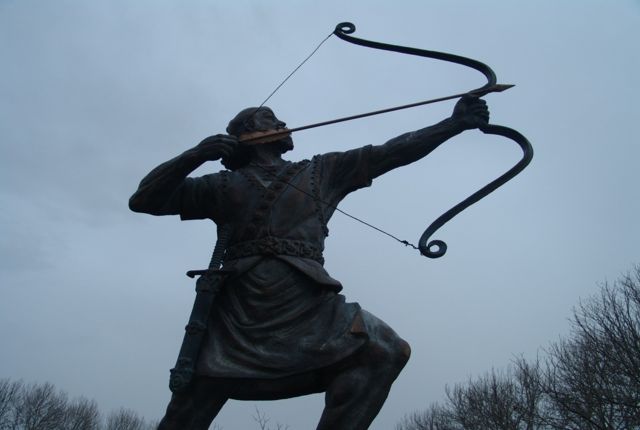
Tir means arrow and Tirgan refers to the occasion when Arash, the legendary bowman, shot an arrow to indicate the borderline between Iran and Turan.
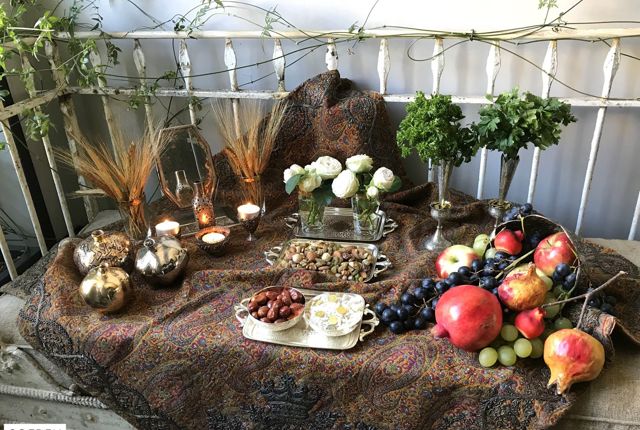
Mehrgan
The word "Mehr" (in Mehregan) in the Persian language means kindness. Mehr represents knowledge, love, light and friendship. It is a day of thanksgiving and everyone show the love they have for each other.
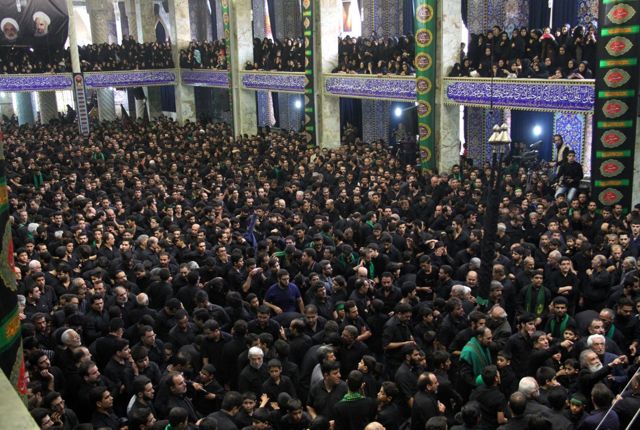
Day of Ashoura
Ashura is the tenth day of Muḥarram, the remembrance of the death of Husayn ibn Ali, the grandson of the Islamic prophet Muhammad, at the Battle of Karbala.
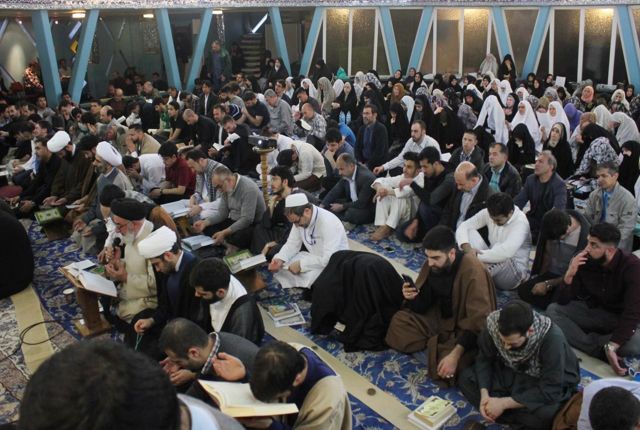
Itikaf
Itikaf is an Islamic practice consisting of a period of staying in a mosque for three days, devoting oneself to praying and staying away from worldly affairs.
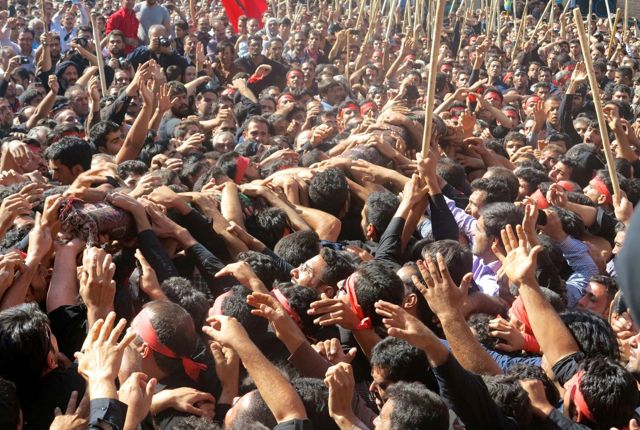
Carpet Washing
The ritual of the carpet washing in Mashhad Ardehal symbolizes a funeral held for Imamzadeh Soltan Ali (AS), a descendant of Imam Muhammad Baqir (AS).
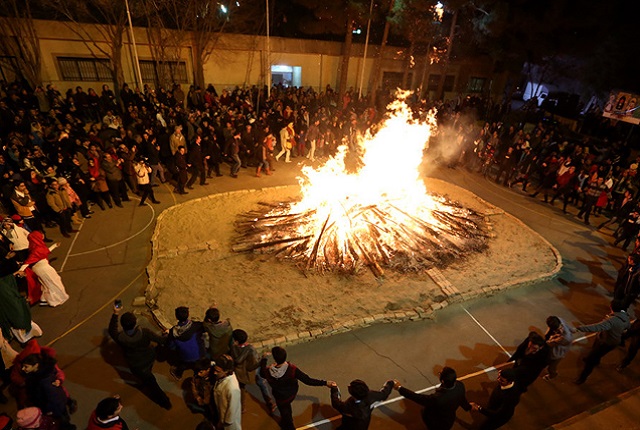
Sadeh
Sadeh is an Iranian festival that dates back to the first Persian Empire, Achaemenid Empire and celebrates 50 days before Nowruz. It was a festivity to honor fire and to defeat the forces of darkness, frost, and cold.
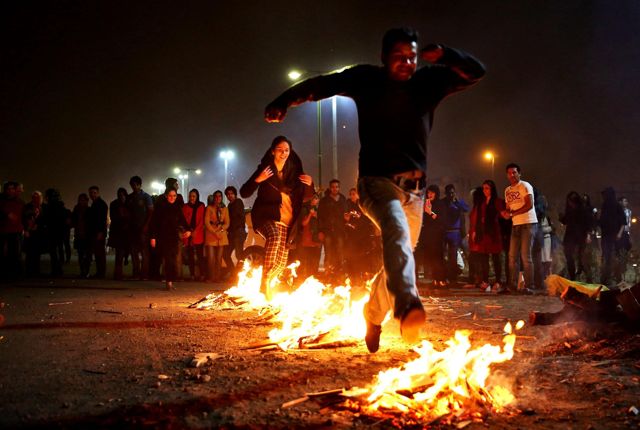
Chaharshanbe Suri
Chaharshanbe Suri is the Festival of Fire, celebrated on the last Wednesday night in the Iranian Calendar year. People jump over bonfires symbolically asking the fire to take sickness away and bring about health.